

Trades
Trading the Invalidation Inside the Daily Candle
It is common to have trading days that are entered with a bias to one side, but due to the development become invalidated. This does not always mean the day is over. This lesson covers the process of readjusting to the new logic and capitalize on the day properly.
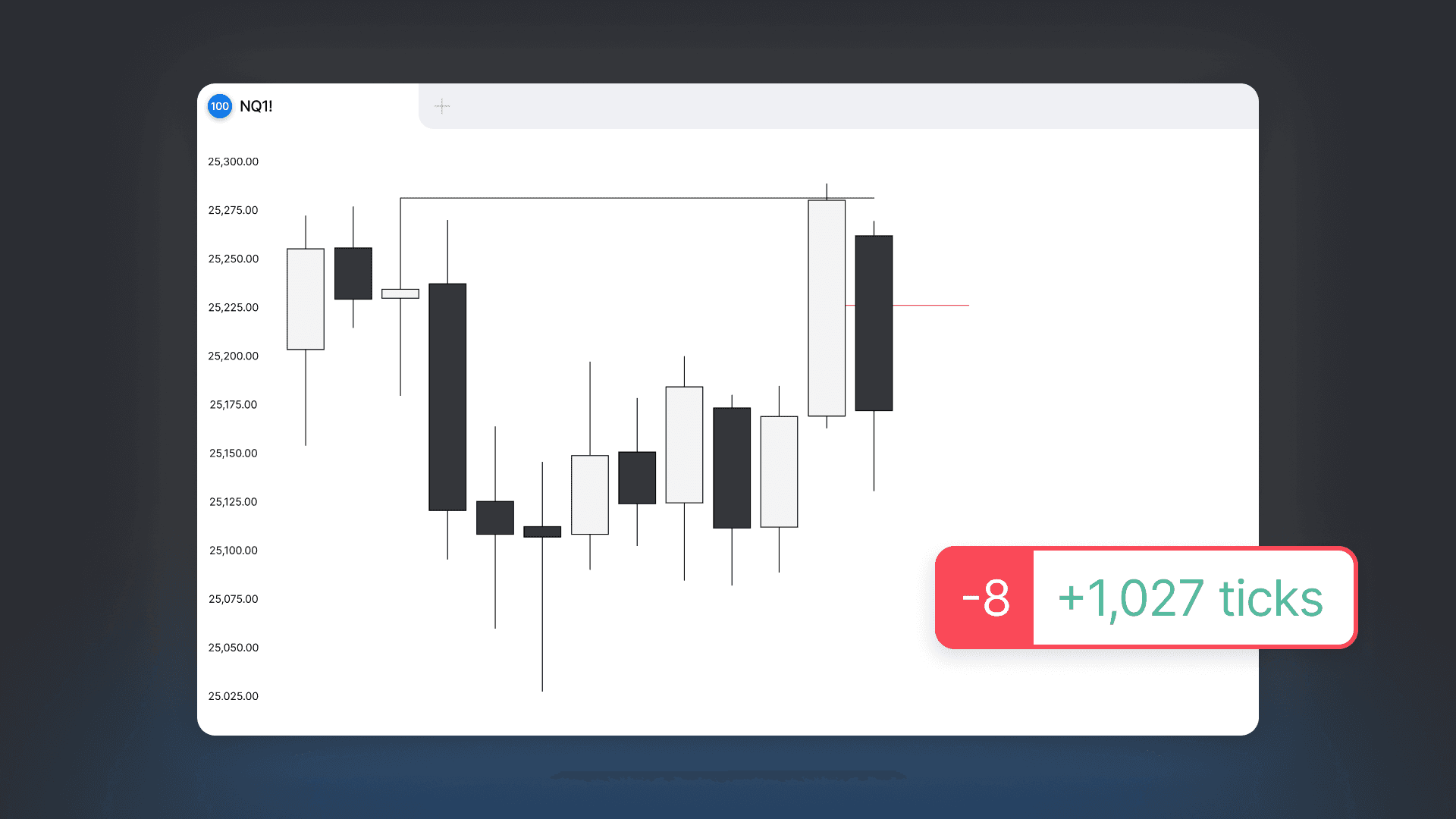
Understanding Framework Invalidations
My system is broken down into four steps of framework, confirmation, entry, and management. The first two steps are crucial to separating idea from action. Framework which comes from the daily timeframe is where we set an expectation of the direction of the daily candle being traded within.
It is common to have a bias in place that becomes invalidated in the confirmation step. This lesson breaks down a real trade example with the process to follow and how to properly adjust your approach within the day.
Establishing the Initial Bullish Bias
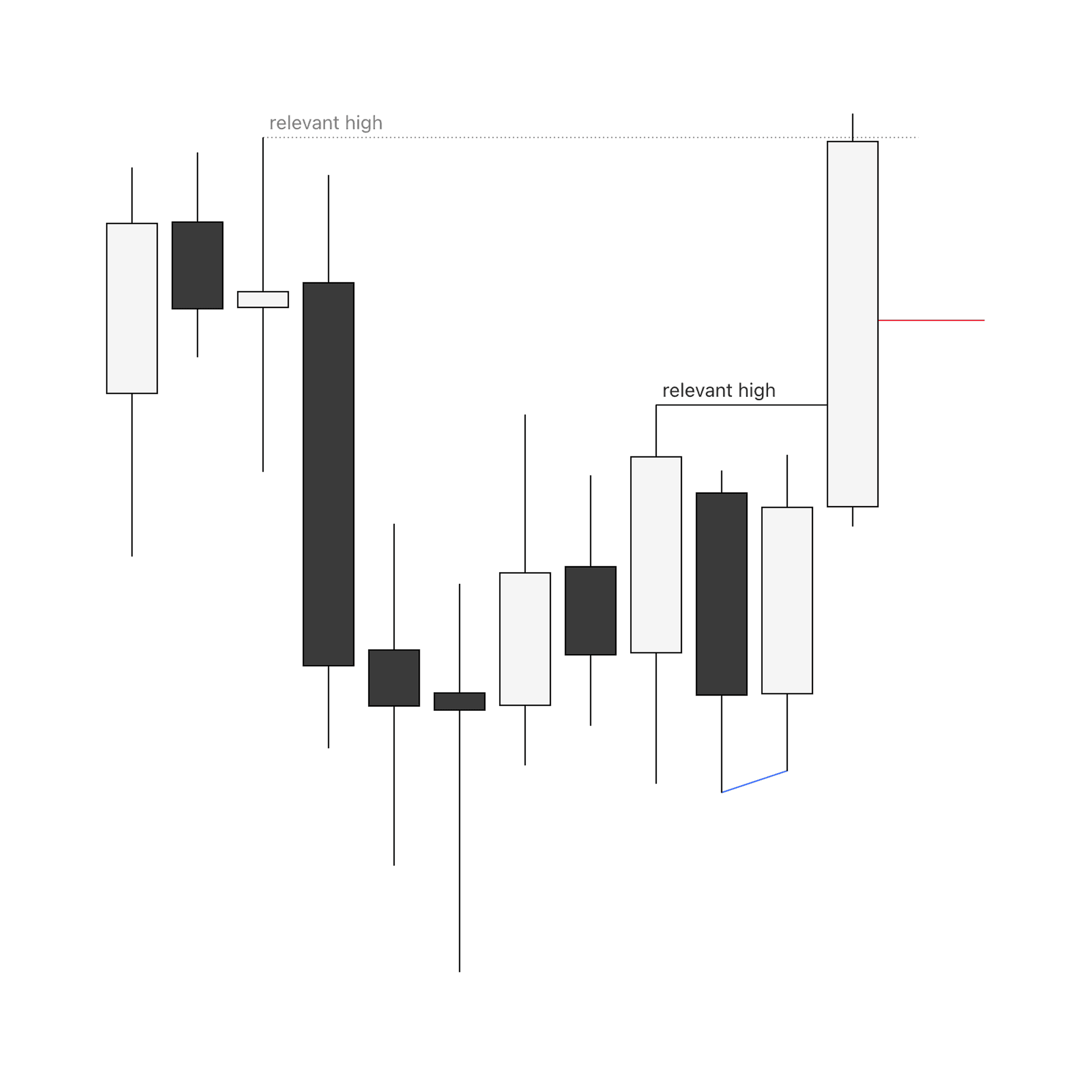
The first point of focus for any trade opportunity is to set the framework. The daily chart below has multiple elements that lead my initial expectation to be a continuation to the upside for the following day.
Manipulation of the relevant low paired with a divergence for confluence
Failure swings open above on the correlated pair to act as a draw on price
Strong close on the daily candle which often leads to continuation
With that expectation set for the daily candle, I place an invalidation point at equilibrium of the previous day range. Price should remain above this level as it develops into the new day as we want to demand a shallow opposing run from the daily opening price to support expansion.
Reacting to the Daily Development
This is where the layered steps of my model become most important and where execution occurs only in a market that is aligned. While we have a framework set for the daily candle, the market is continuously providing new information and we remain focused on full confirmation before considering any entry.
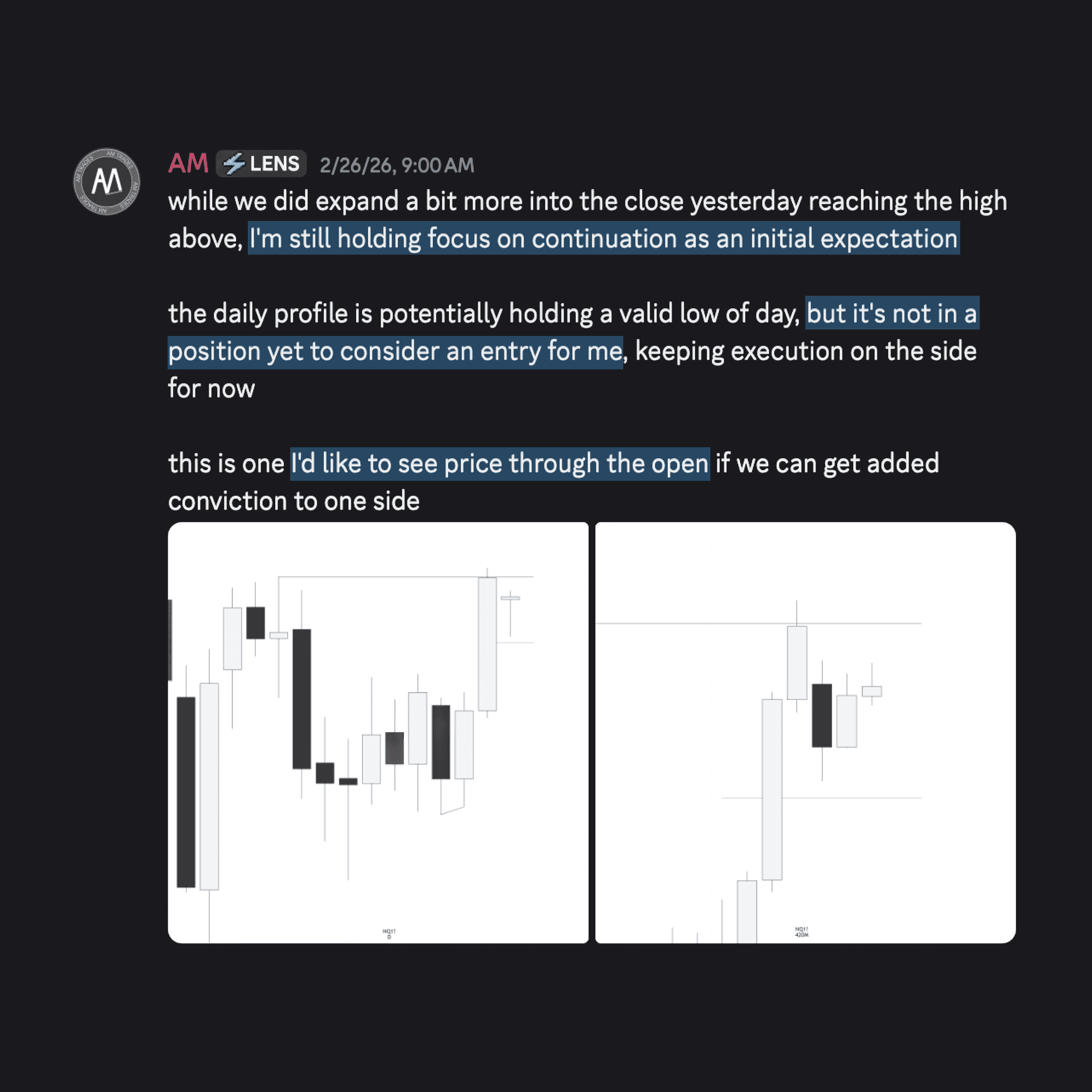
Below is an analysis post from inside The Market Lens on the morning of this trade. We can see that price was holding in respect to the invalidation point and had a potential low of day within the daily profile. However, there was a lack of proper structure inside the day to have conviction that continuation would occur. The day is not invalid to the upside at this point, but it is also not yet primed for an entry. We remain focused on the confirmation step.
The volatility at the open is a tool for confirmation when needed. Price action becomes exaggerated and will show if it will support the side of the market you are looking to trade. This is a clear case of using it to our advantage.
How You Should Approach Invalidations
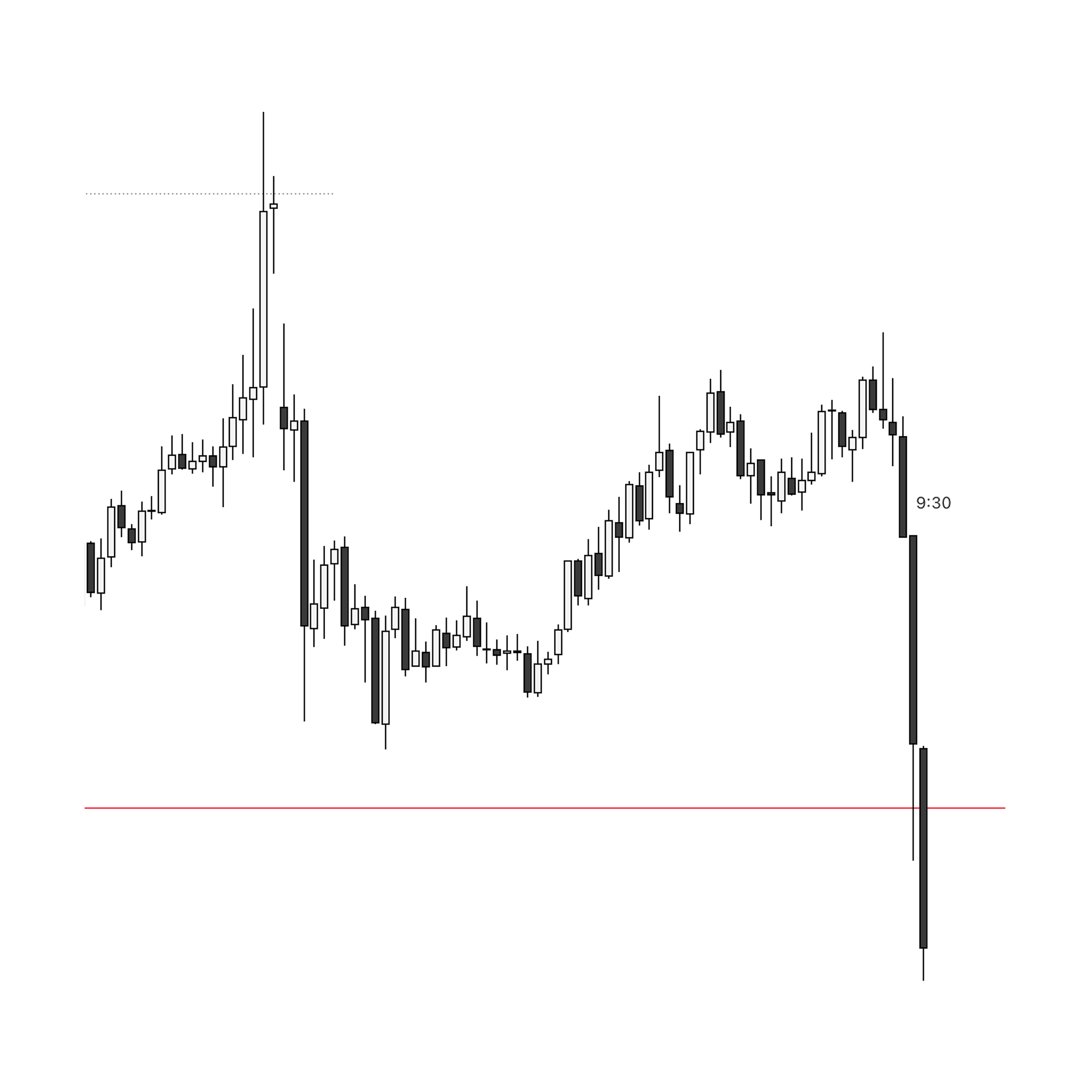
As the New York session open enters the market, it immediately becomes clear that the initial upside idea based on the daily framework is no longer in play. Price expands through both the intraday low and the invalidation point that was set previously. This is not taken as offensive since our execution is rooted in a system and not predictions.
Here is where most traders go wrong. They have a daily bias that becomes invalidated which leads to one of two reactions. Either remaining zoomed in on the lower timeframes to chase the most recent reaction or completely disregarding the day due to fear of being wrong. Both have a negative impact on performance over time.
What we do in these cases is simply return back to step one of the model as every trade is framed individually from top to bottom. I will walk you through what this looks like on this particular setup.
Framing and Executing the New Opportunity
Moving back out to the daily timeframe, the first step of a valid trade opportunity is viewing the reaction at a relevant swing. The previous day engaged the relevant high and can be framed as a manipulation to trade away from. Since the higher timeframes are supporting an idea to the downside, we can move forward to seeking confirmation in the daily profile.
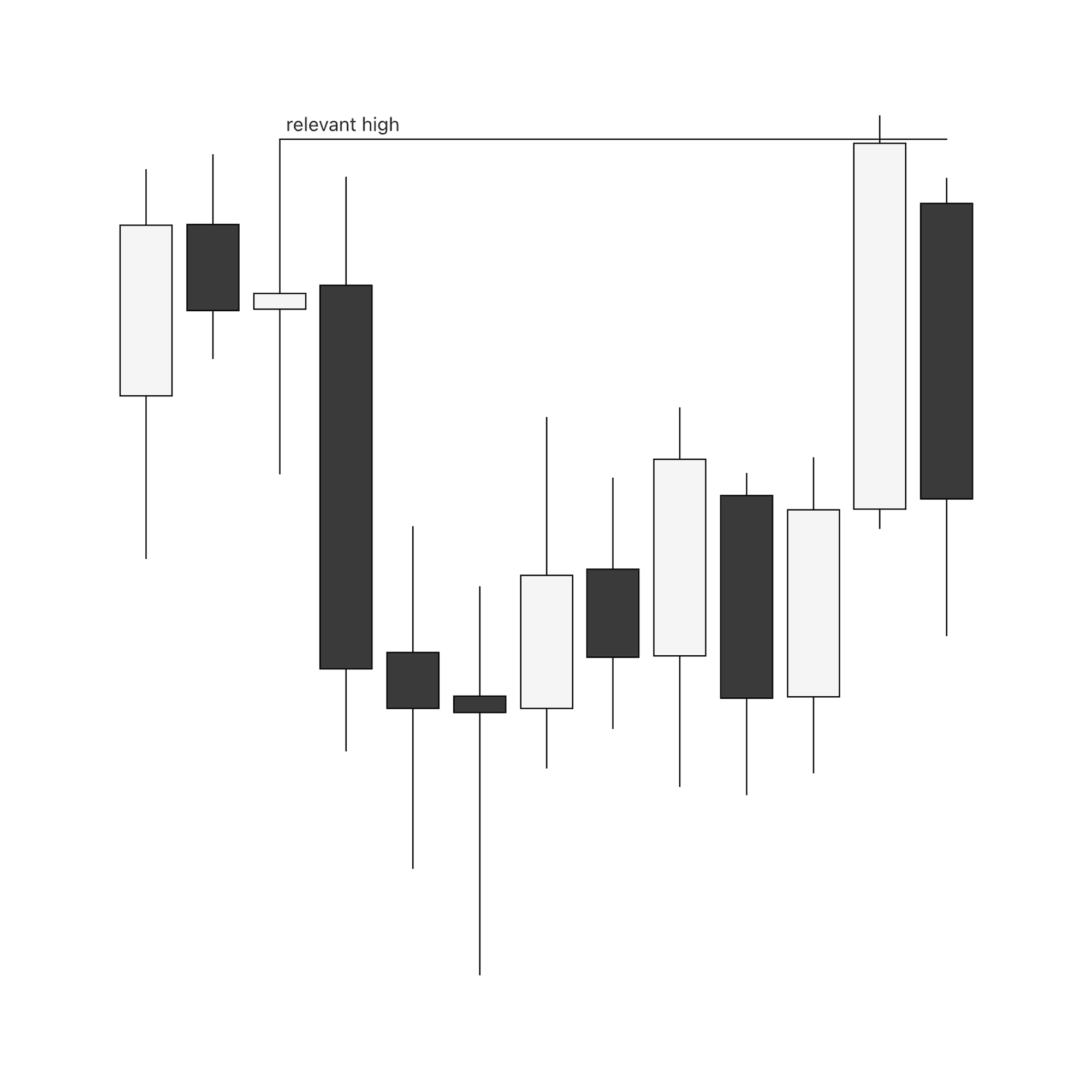
On an intermediate timeframe such as the 30-minute chart, we can view how the sessions developed alongside each other. There is a divergence off the highs with a reversal confirmation off the intraday high while the open expanded price lower. This is alignment with a bearish New York reversal daily profile. Entry becomes the next focus as it is assumed the market is in continuation of the daily candle.
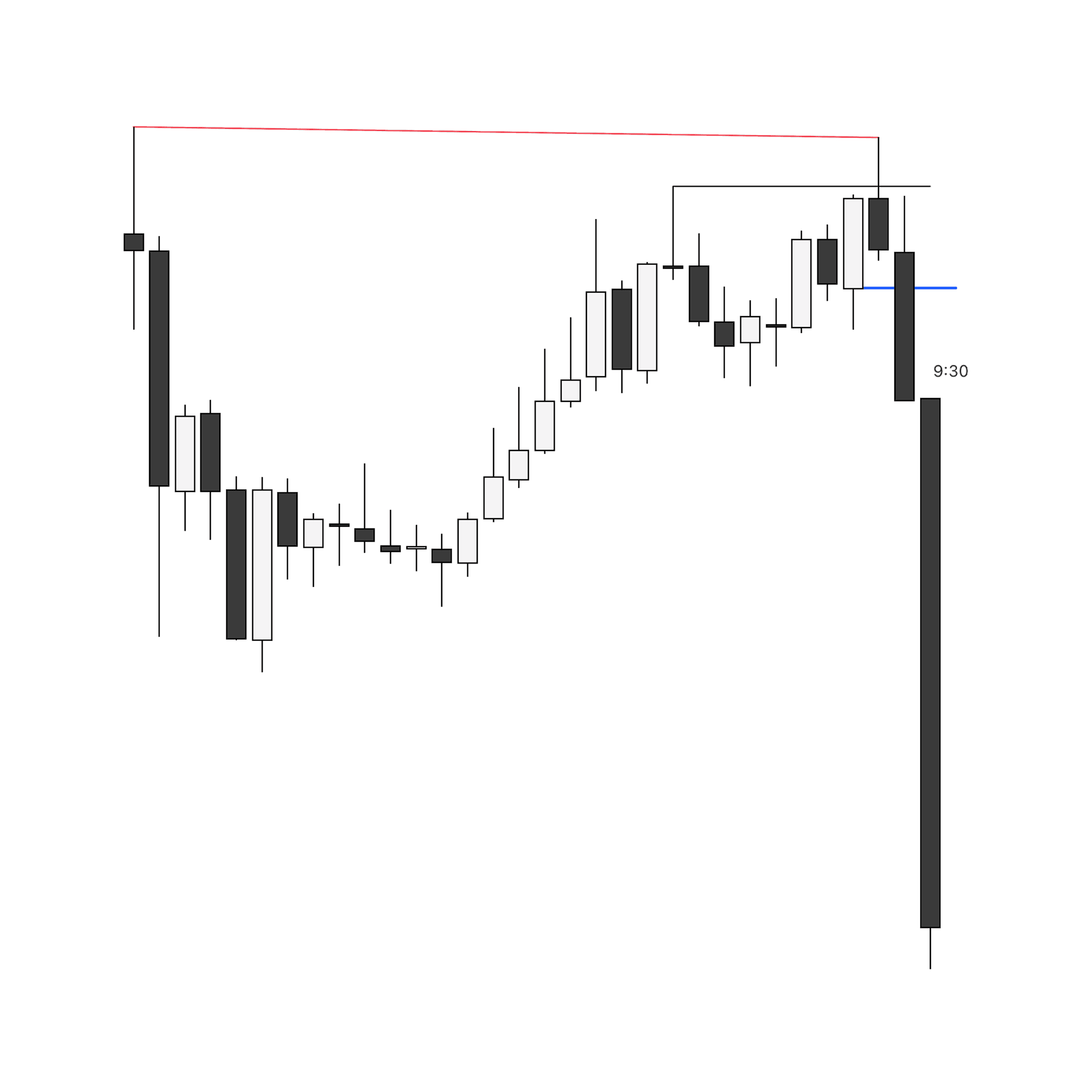
Refining down to the 3-minute chart to view the details of price as it expands, the continuation signatures present themselves in the form of upclose candles being closed below. This is where I position to get onside with the trade.
Additional confluence on the entry is that the continuation signatures are occurring through the invalidation point of the initial bullish bias. This provides extra reason to have conviction in the downside. However, the core logic remains intact that upon the invalidation of one idea we simply return back to step one of the system and look for a new valid opportunity from top to bottom.
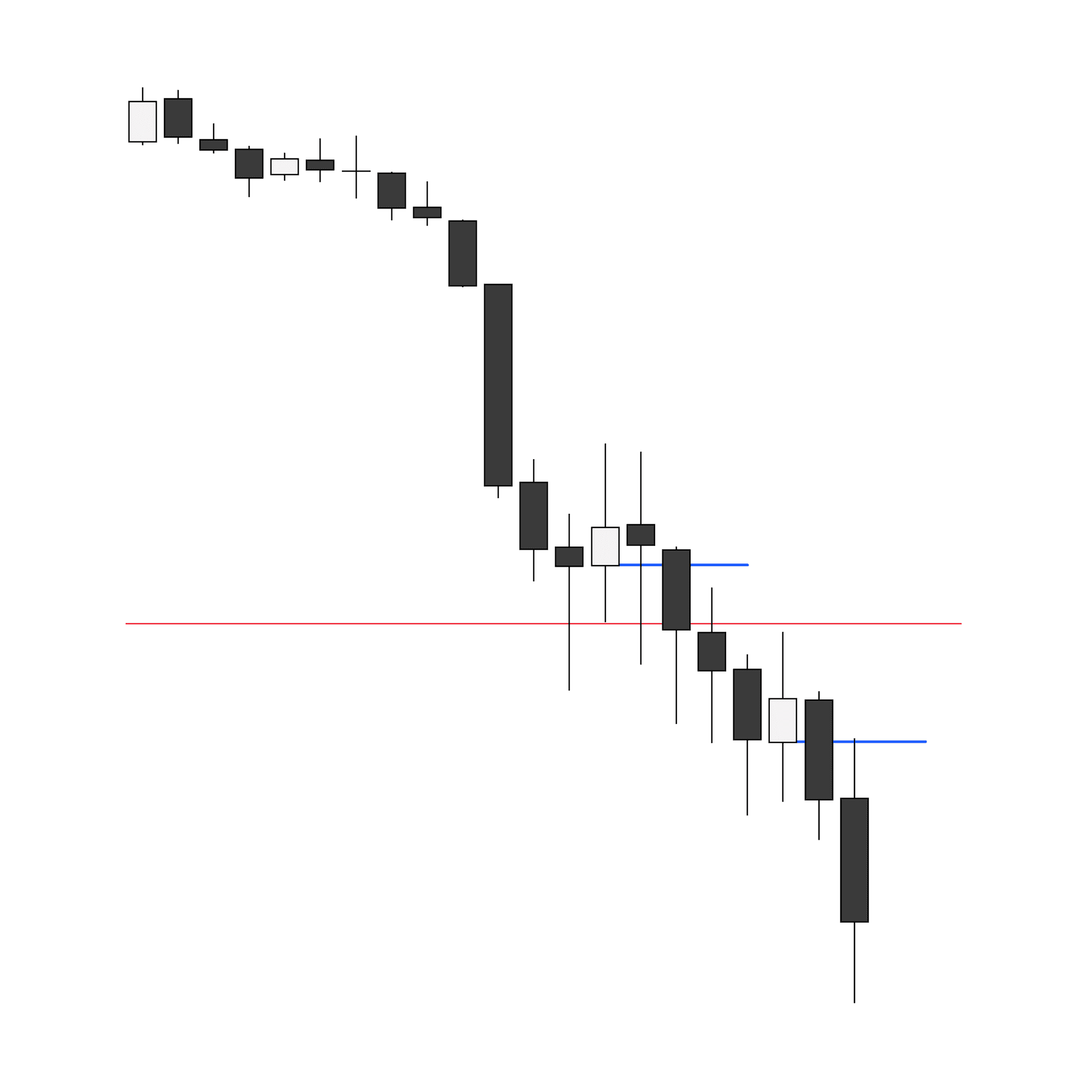
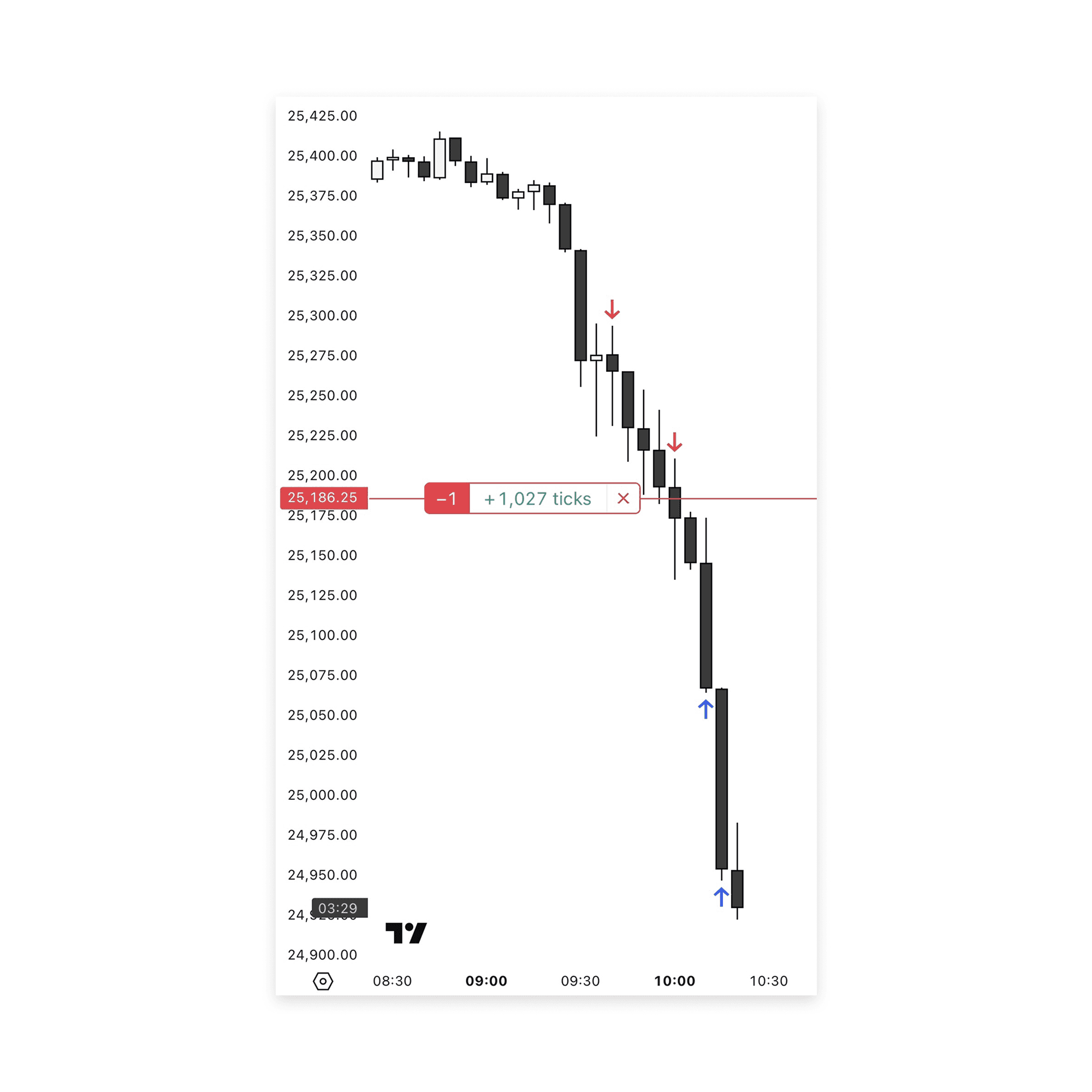
This setup provided the opportunity to take an initial entry and a pyramid entry on two separate signatures to size into the trade while keeping risk controlled. Trade management was completed by scaling out of the position at 2 risk to reward and then holding partials for a larger portion of the move to extract maximum value.
Key Points to Remember
Due to the confirmation step in the system, framework can often be invalidated before reaching the entry step. Invalidation means that the initial idea from the higher timeframes is no longer in play for the current trading day.
Upon a framework being invalidated, do not remain zoomed in on the lower timeframes to chase price or fully disregard the trading day in fear of being wrong. Instead, reset your perspective back to step one in the model and determine if a new valid opportunity can be framed from top to bottom. This keeps your perspective rooted in the logic of the system.
Signatures around the point of invalidation for the initial bias can be used as confluence to enter on the opposing side of the market. The goal of any trade is to enter into a one-sided market. This logic pairs directly with that.
Prop
Learn
Explore mentorship with

AM and

TTrades
The standard of trading guidance

Prop
Learn
Get funded with the prop
firms I trade with
Use code AM for the best discount



Watch video
Understanding Framework Invalidations
My system is broken down into four steps of framework, confirmation, entry, and management. The first two steps are crucial to separating idea from action. Framework which comes from the daily timeframe is where we set an expectation of the direction of the daily candle being traded within.
It is common to have a bias in place that becomes invalidated in the confirmation step. This lesson breaks down a real trade example with the process to follow and how to properly adjust your approach within the day.
Establishing the Initial Bullish Bias
The first point of focus for any trade opportunity is to set the framework. The daily chart below has multiple elements that lead my initial expectation to be a continuation to the upside for the following day.
Manipulation of the relevant low paired with a divergence for confluence
Failure swings open above on the correlated pair to act as a draw on price
Strong close on the daily candle which often leads to continuation
With that expectation set for the daily candle, I place an invalidation point at equilibrium of the previous day range. Price should remain above this level as it develops into the new day as we want to demand a shallow opposing run from the daily opening price to support expansion.
Reacting to the Daily Development
This is where the layered steps of my model become most important and where execution occurs only in a market that is aligned. While we have a framework set for the daily candle, the market is continuously providing new information and we remain focused on full confirmation before considering any entry.
Below is an analysis post from inside The Market Lens on the morning of this trade. We can see that price was holding in respect to the invalidation point and had a potential low of day within the daily profile. However, there was a lack of proper structure inside the day to have conviction that continuation would occur. The day is not invalid to the upside at this point, but it is also not yet primed for an entry. We remain focused on the confirmation step.
The volatility at the open is a tool for confirmation when needed. Price action becomes exaggerated and will show if it will support the side of the market you are looking to trade. This is a clear case of using it to our advantage.
How You Should Approach Invalidations
As the New York session open enters the market, it immediately becomes clear that the initial upside idea based on the daily framework is no longer in play. Price expands through both the intraday low and the invalidation point that was set previously. This is not taken as offensive since our execution is rooted in a system and not predictions.
Here is where most traders go wrong. They have a daily bias that becomes invalidated which leads to one of two reactions. Either remaining zoomed in on the lower timeframes to chase the most recent reaction or completely disregarding the day due to fear of being wrong. Both have a negative impact on performance over time.
What we do in these cases is simply return back to step one of the model as every trade is framed individually from top to bottom. I will walk you through what this looks like on this particular setup.
Framing and Executing the New Opportunity
Moving back out to the daily timeframe, the first step of a valid trade opportunity is viewing the reaction at a relevant swing. The previous day engaged the relevant high and can be framed as a manipulation to trade away from. Since the higher timeframes are supporting an idea to the downside, we can move forward to seeking confirmation in the daily profile.
On an intermediate timeframe such as the 30-minute chart, we can view how the sessions developed alongside each other. There is a divergence off the highs with a reversal confirmation off the intraday high while the open expanded price lower. This is alignment with a bearish New York reversal daily profile. Entry becomes the next focus as it is assumed the market is in continuation of the daily candle.
Refining down to the 3-minute chart to view the details of price as it expands, the continuation signatures present themselves in the form of upclose candles being closed below. This is where I position to get onside with the trade.
Additional confluence on the entry is that the continuation signatures are occurring through the invalidation point of the initial bullish bias. This provides extra reason to have conviction in the downside. However, the core logic remains intact that upon the invalidation of one idea we simply return back to step one of the system and look for a new valid opportunity from top to bottom.
This setup provided the opportunity to take an initial entry and a pyramid entry on two separate signatures to size into the trade while keeping risk controlled. Trade management was completed by scaling out of the position at 2 risk to reward and then holding partials for a larger portion of the move to extract maximum value.
Key Points to Remember
Due to the confirmation step in the system, framework can often be invalidated before reaching the entry step. Invalidation means that the initial idea from the higher timeframes is no longer in play for the current trading day.
Upon a framework being invalidated, do not remain zoomed in on the lower timeframes to chase price or fully disregard the trading day in fear of being wrong. Instead, reset your perspective back to step one in the model and determine if a new valid opportunity can be framed from top to bottom. This keeps your perspective rooted in the logic of the system.
Signatures around the point of invalidation for the initial bias can be used as confluence to enter on the opposing side of the market. The goal of any trade is to enter into a one-sided market. This logic pairs directly with that.
Understanding Framework Invalidations
My system is broken down into four steps of framework, confirmation, entry, and management. The first two steps are crucial to separating idea from action. Framework which comes from the daily timeframe is where we set an expectation of the direction of the daily candle being traded within.
It is common to have a bias in place that becomes invalidated in the confirmation step. This lesson breaks down a real trade example with the process to follow and how to properly adjust your approach within the day.
Establishing the Initial Bullish Bias
The first point of focus for any trade opportunity is to set the framework. The daily chart below has multiple elements that lead my initial expectation to be a continuation to the upside for the following day.
Manipulation of the relevant low paired with a divergence for confluence
Failure swings open above on the correlated pair to act as a draw on price
Strong close on the daily candle which often leads to continuation
With that expectation set for the daily candle, I place an invalidation point at equilibrium of the previous day range. Price should remain above this level as it develops into the new day as we want to demand a shallow opposing run from the daily opening price to support expansion.
Reacting to the Daily Development
This is where the layered steps of my model become most important and where execution occurs only in a market that is aligned. While we have a framework set for the daily candle, the market is continuously providing new information and we remain focused on full confirmation before considering any entry.
Below is an analysis post from inside The Market Lens on the morning of this trade. We can see that price was holding in respect to the invalidation point and had a potential low of day within the daily profile. However, there was a lack of proper structure inside the day to have conviction that continuation would occur. The day is not invalid to the upside at this point, but it is also not yet primed for an entry. We remain focused on the confirmation step.
The volatility at the open is a tool for confirmation when needed. Price action becomes exaggerated and will show if it will support the side of the market you are looking to trade. This is a clear case of using it to our advantage.
How You Should Approach Invalidations
As the New York session open enters the market, it immediately becomes clear that the initial upside idea based on the daily framework is no longer in play. Price expands through both the intraday low and the invalidation point that was set previously. This is not taken as offensive since our execution is rooted in a system and not predictions.
Here is where most traders go wrong. They have a daily bias that becomes invalidated which leads to one of two reactions. Either remaining zoomed in on the lower timeframes to chase the most recent reaction or completely disregarding the day due to fear of being wrong. Both have a negative impact on performance over time.
What we do in these cases is simply return back to step one of the model as every trade is framed individually from top to bottom. I will walk you through what this looks like on this particular setup.
Framing and Executing the New Opportunity
Moving back out to the daily timeframe, the first step of a valid trade opportunity is viewing the reaction at a relevant swing. The previous day engaged the relevant high and can be framed as a manipulation to trade away from. Since the higher timeframes are supporting an idea to the downside, we can move forward to seeking confirmation in the daily profile.
On an intermediate timeframe such as the 30-minute chart, we can view how the sessions developed alongside each other. There is a divergence off the highs with a reversal confirmation off the intraday high while the open expanded price lower. This is alignment with a bearish New York reversal daily profile. Entry becomes the next focus as it is assumed the market is in continuation of the daily candle.
Refining down to the 3-minute chart to view the details of price as it expands, the continuation signatures present themselves in the form of upclose candles being closed below. This is where I position to get onside with the trade.
Additional confluence on the entry is that the continuation signatures are occurring through the invalidation point of the initial bullish bias. This provides extra reason to have conviction in the downside. However, the core logic remains intact that upon the invalidation of one idea we simply return back to step one of the system and look for a new valid opportunity from top to bottom.
This setup provided the opportunity to take an initial entry and a pyramid entry on two separate signatures to size into the trade while keeping risk controlled. Trade management was completed by scaling out of the position at 2 risk to reward and then holding partials for a larger portion of the move to extract maximum value.
Key Points to Remember
Due to the confirmation step in the system, framework can often be invalidated before reaching the entry step. Invalidation means that the initial idea from the higher timeframes is no longer in play for the current trading day.
Upon a framework being invalidated, do not remain zoomed in on the lower timeframes to chase price or fully disregard the trading day in fear of being wrong. Instead, reset your perspective back to step one in the model and determine if a new valid opportunity can be framed from top to bottom. This keeps your perspective rooted in the logic of the system.
Signatures around the point of invalidation for the initial bias can be used as confluence to enter on the opposing side of the market. The goal of any trade is to enter into a one-sided market. This logic pairs directly with that.


Prop
Learn
Get funded with the prop firms I trade with
Use code AM for the best discount



Prop
Learn
Explore mentorship with
AM and
TTrades

Prop
Learn
Get funded with the prop firms I trade with
Use code AM for the best discount
Prop
Learn
Explore mentorship with
AM and
TTrades
Prop
Learn
Explore mentorship with
AM and
TTrades
The standard of trading guidance
Prop
Learn
Get funded with the prop
firms I trade with
Use code AM for the best discount
Prop
Learn
Explore mentorship with
AM and
TTrades
The standard of trading guidance
Prop
Learn
Get funded with the prop
firms I trade with
Use code AM for the best discount

Trading the Invalidation Inside the Daily Candle
Continue Learning.




© 2026 AM Trades. All Rights Reserved.
© 2026 AM Trades. All Rights Reserved.


© 2026 AM Trades. All Rights Reserved.